
The performance of a lift station is defined long before it’s a concrete structure with pumps, pipes and valves. The design is determined by many factors including the calculation of flow rates, elevation of the site system pressure, the properties of wastewater, temperatures, access to maintenance, controls, and the future capacity.
For those who are in the market to compare the best lift station designers The most important question isn’t who will design the pumps. It’s about who can transform the operational and site conditions requirements into a complete system that is practical to construct, operate and maintain.
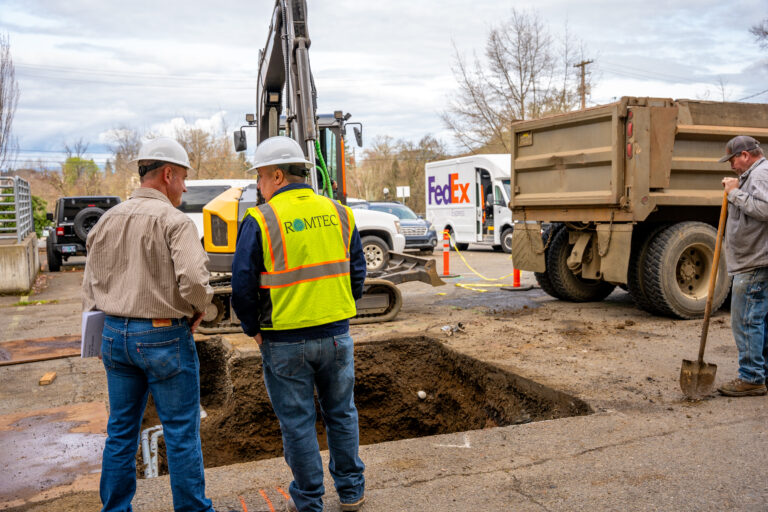
Image credit: romtecutilities.com
The Limits of Gravity
Gravity is by far the most efficient method to transport wastewater. However the development patterns and terrain aren’t always for this method. The newest commercial, residential and industrial sites are often too low or too distant from gravity sewer infrastructure.
The lift station is the mechanism which transports the wastewater the next point of collection. It is crucial to take into consideration the operating conditions that are normal and those that may be less suitable, such as highest inflows, pump maintenance and equipment breakdown, as well as an increase in demand for the future.
Companies considered among the best wastewater designers should therefore evaluate the entire conveyance problem rather than treating the station as an isolated piece of equipment.
Existing infrastructure can complicate the puzzle
The main issue isn’t new construction. A lot of municipalities are required to upgrade or replace aging stations in order to keep essential wastewater infrastructure functional.
Wet wells that are in use, force mains, electrical services, controls site boundaries, and downstream infrastructure can limit the new design. Engineers will have to determine what can be left or replaced, and what must be upgraded, and what new components are needed.
Romtec Utilities works across municipal, private, commercial industrial, retrofit and replacement programs, allowing pumping systems to be developed to meet the unique operating and ownership requirements of each project.
Stormwater is subject to different rules
The most skilled stormwater system engineers need to use the search terminology to solve the issue of a different type of hydrologic. Stormwater systems can undergo dramatic fluctuations in volume due to the amount of rainfall, drainage capacity and allowed discharge rates.
Stations that are serving detention basins for instance, may need to temporarily store the runoff before pumping it out in a controlled manner. Engineers need to consider the rate of flow, the head’s condition, the conditions of the environment, the flood-management objectives, as well as the specifics of the drainage system receiving it.
Prefabrication can be used to transfer the work off site
The complex field assembly creates the potential for conflicting schedules, installation errors changes, delays. Romtec Utilities prefabricates equipment before it arrives at the site of the project.
By completing more assembly and quality assurance work in a controlled manner You can cut down on the amount of work required in the ground. According to Romtec’s project approach, certain installations that normally would take weeks to complete can be completed in a matter of days depending on the project conditions.
Commissioning is a Part of Engineering Success
It’s not enough to have all the components installed to be considered a reliable one. Romtec Utilities provides installation advisors and also follows up on construction with startup and control-panel inspections pumps, pump operation, system testing, and staff training. Documentation also provides information to operators they can use when repairing the system or contemplating the possibility of expansion in the future.
If you are looking for the best lift station engineers, this final phase deserves to be considered. The result of good engineering must be more than an acceptable set of sketches. The station’s owner should have a functioning system, skilled personnel, appropriate documentation and equipment designed for the conditions that the station will face during its daily operations.