
It is possible that you are familiar with the word “torque convertor” for those who are automobile enthusiast. In automotive engineering, torque convertors are essential, especially in automated transmission systems. They play a key role in making sure that the vehicle runs smoothly, power transmission, and an enjoyable driving experience. We will explore the complex world of torque convertors in this article. We’ll discuss their intricacies and workings and shed some an understanding of the vital significance they play in automotive industry.
Torque Converters How to Know
A torque converter is at its core an automatic fluid coupling transmissions. Its primary function is to transfer the power generated by an engine to the transmission. The transmission will then drive the wheels. The mechanism works seamlessly within the automatic transmission system, and bridges the gap between engine power and wheel motion.
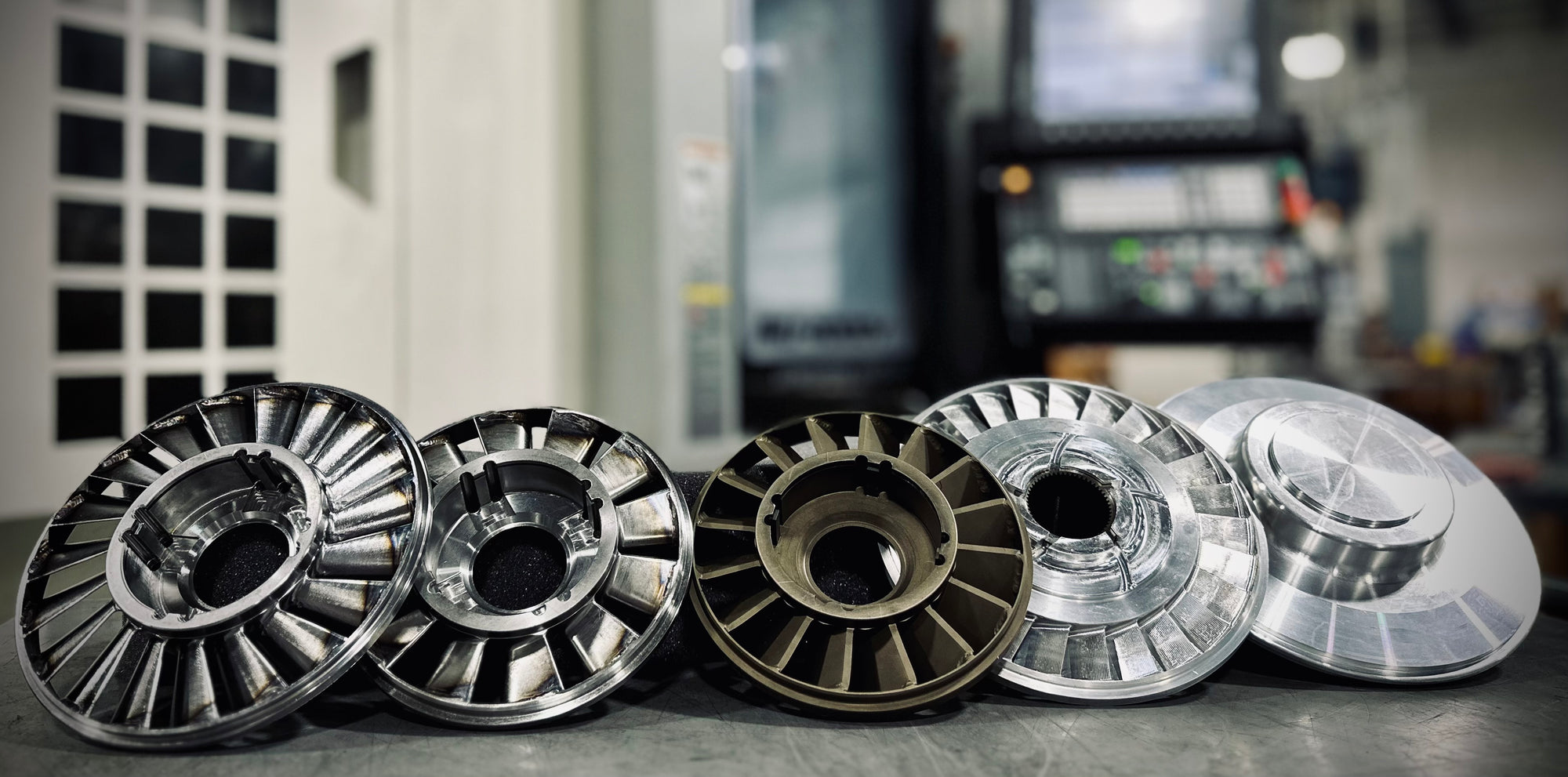
Components that are in play The torque converter is a system made up of three components comprised of the impeller (or turbine) along with the stator and the stator. These elements work in harmony to help convert torque and power transmission.
Breaking Down the Mechanism
The mechanisms of a torque converter are fascinating, and require intricate interactions that contribute to the efficient transmission of power:
Impeller Initiation – Once the engine is started an impeller spins. Impellers are essentially fan-shaped structure that circulates fluid that is used to drive the converter. The impeller produces a fluid flow that impacts the turbine blades while it spins.
Turbine Response: A turbine attached to the input shaft of the transmission gets activated when the fluid strikes the impeller. This causes the turbine to enter motion, causing it to spin at a speed proportional to the impeller’s movement. This creates kinetic power, and the power required for transmission.
The role of the Stator in enhancing efficiency
One of the most important elements of the torque converter is the stator. The stator is situated between the turbines and impellers, where it is crucial in improving the efficiency of power transmission.
Fluid Redirecting System The stator redirects fluid flow between the impeller and turbine. This redirection is essential to improving the torque output and also ensuring the efficient transfer of power. Stators are essential to ensure smooth and efficient operations by controlling the flow of fluid. For more information, click what is a torque converter
Torque Converters What are they? And how do they function?
In terms of the driving experience the performance of the torque converter is vital.
Smooth Transitions. The layout of the torque converter and its mechanics contribute to the smooth shifts between gears. Fluid coupling torque convertors do away with the manual engagement of clutches, leading to seamless gear shifts.
2. Prevention of Stalling and Idling: Torque converters play an important function in preventing engine stalls and issues with idle. The fluid coupling allows for the engine to run when the vehicle has stopped. This allows for a steady idle and eliminates the need to manually engage clutches when the vehicle is stopped.
3. The torque converter is responsible for efficient power distribution through optimizing power transfer and torque output. The overall experience of driving can be enhanced with the help of torque converters which give the power required for acceleration and cruising.
Conclusion As mechanical parts, form the foundation of automatic transmissions. The fluid coupling system, made possible by the impellers, turbines and stators, assures the smooth transfer of power between the transmission and engine, and finally to the wheels. The transmission is effective and aids in more fluid gear changes, which prevents slowing down or idling, as well as increasing overall efficiency of driving.
For engineers and car enthusiasts alike, understanding the role of torque converters is vital. These devices are the perfect connection between fluid mechanics and engineering and they’re able to ensure that every journey is a smooth one. The torque converter is an essential component of automobile technology as it continues grow. It is a testament to how mechanics and functionality can work in tandem.